
What Are the Early Signs of Diabetic Eye Disease?
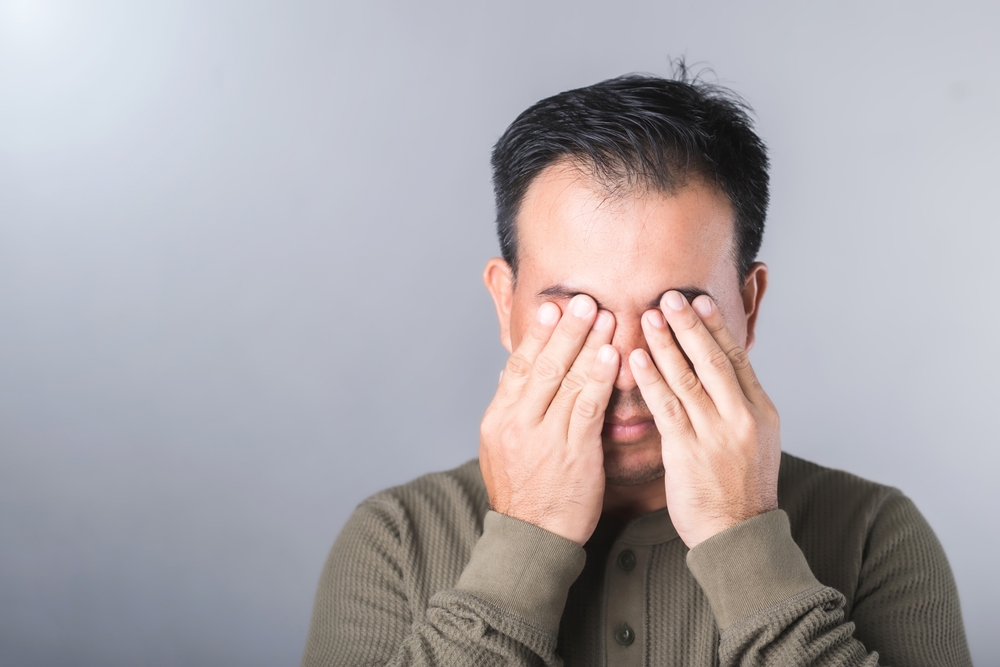
Diabetes affects many parts of the body, but one of the most vulnerable is the eyes. Diabetic eye disease can develop silently, causing damage long before noticeable symptoms appear. Recognizing the early warning signs and prioritizing routine diabetic eye exams are essential steps in protecting long-term vision.
What Is Diabetic Eye Disease?
Diabetic eye disease is a group of vision-threatening conditions caused by prolonged high blood sugar levels. These conditions can damage the blood vessels in the retina and other structures of the eye, leading to vision impairment or even blindness if left untreated.
The most common forms include:
Diabetic retinopathy
Diabetic macular edema
Cataracts
Glaucoma
Early detection is key, as many of these conditions respond best to treatment in their earliest stages.
Early Signs You Shouldn’t Ignore
One of the biggest challenges with diabetic eye disease is that symptoms may be mild - or completely absent - at first. Still, some early signs may include:
Blurry or Fluctuating Vision: Changes in blood sugar can cause the eye’s lens to swell, leading to intermittent or persistent blurriness.
Dark Spots or Floaters: Seeing small dark specks, strings, or cobweb-like shapes may signal bleeding from damaged retinal blood vessels.
Difficulty Seeing at Night: Diabetes can reduce the eye’s ability to adjust to low-light conditions, making nighttime vision more challenging.
Colors Appearing Faded or Washed Out: Damage to the retina can affect color perception, causing colors to lose their brightness.
Vision Loss in One or Both Eyes: Even subtle or temporary vision loss should be taken seriously and evaluated promptly.
Importantly, many patients with early diabetic retinopathy experience no symptoms at all, which is why routine eye exams are so critical.
Why Routine Diabetic Eye Exams Matter
A diabetic eye exam can detect signs of eye disease before vision is affected. During these exams, your eye doctor can identify changes in retinal blood vessels, swelling, or other abnormalities that are not visible without specialized testing.
Annual diabetic eye exams - or more frequent visits if recommended - allow for:
Early diagnosis before symptoms arise
Timely treatment to slow or prevent vision loss
Ongoing monitoring of disease progression
For patients with diabetes, routine eye care is an essential part of overall health management.
Who Is at Higher Risk?
Anyone with diabetes is at risk for diabetic eye disease, but the risk increases if you:
Have had diabetes for many years
Have poor blood sugar, blood pressure, or cholesterol control
Are pregnant with diabetes
Smoke
Even patients who feel their vision is “fine” can have underlying damage, reinforcing the importance of regular exams.
Schedule Your Diabetic Eye Exam Today
Diabetic eye disease often begins quietly, but its consequences can be life-changing if left undetected. Understanding the early signs and committing to routine diabetic eye exams are the most effective ways to protect your vision. With early intervention and proper management, many people with diabetes can maintain healthy eyesight for years to come.
If you have diabetes, don’t wait for symptoms to appear. Schedule a diabetic eye exam with Paul Thompson, O.D. to safeguard your vision and take a proactive step toward lifelong eye health. Visit our office in Las Vegas, NV, or Lake Havasu City, AZ. Call (702) 822-2202 or (928) 764-3755 to book an appointment today.
Quick Links
Helpful Articles
article_category: products
article_category: psychiatry
article_category: faqs
article_category: cats
article_category: general
article_category: services
article_category: technology
article_category: dogs
article_category: restorative
article_category: vision therapy
article_category: contact lenses
article_category: health
article_category: conditions
article_category: eye surgery co-management
article_category: exotic
article_category: cosmetic
article_category: surgical procedures
article_category: aesthetics
article_category: preventative
article_category: ocular disease management
article_category: eyeglasses
article_category: eye health
article_category: large animal
[]
article_category: psychiatry
article_category: faqs
article_category: cats
article_category: general
article_category: services
article_category: technology
article_category: dogs
article_category: restorative
article_category: vision therapy
article_category: contact lenses
article_category: health
article_category: conditions
article_category: eye surgery co-management
article_category: exotic
article_category: cosmetic
article_category: surgical procedures
article_category: aesthetics
article_category: preventative
article_category: ocular disease management
article_category: eyeglasses
article_category: eye health
article_category: large animal
[]
Flowbite is an open-source library of interactive components built on top of Tailwind CSS including buttons, dropdowns, modals, navbars, and more.
Check out this guide to learn how to get started and start developing websites even faster with components on top of Tailwind CSS.
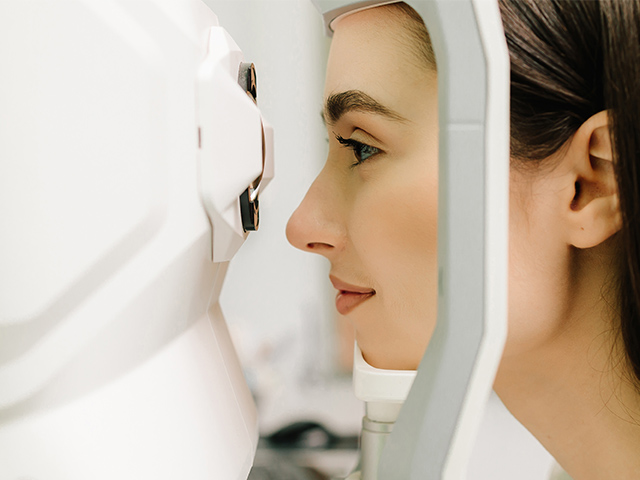
All Eye Care Services
Find personalized eye care excellence with our comprehensive services. From eye exams to advanced diagnostics, trust us for all your vision needs.

Keep In Touch
For non-urgent questions or to learn more about our services, contact us today!
© 2026 Paul Thompson, O.D.. All rights Reserved - Accessibility Statement - Privacy Policy - Terms and Conditions - Sitemap
Managed and Designed by 